
Athlete
Biological
Passport
The Athlete Biological Passport (ABP) builds a record of selected biological markers from an athlete's blood and urine samples over time. Changes in this individual profile can reveal the effects of doping.
Statistical analysis and expert evaluation help anti-doping organisations direct targeted testing, guide investigations and pursue possible Anti-Doping Rule Violations under Article 2.2 of the World Anti-Doping Code.
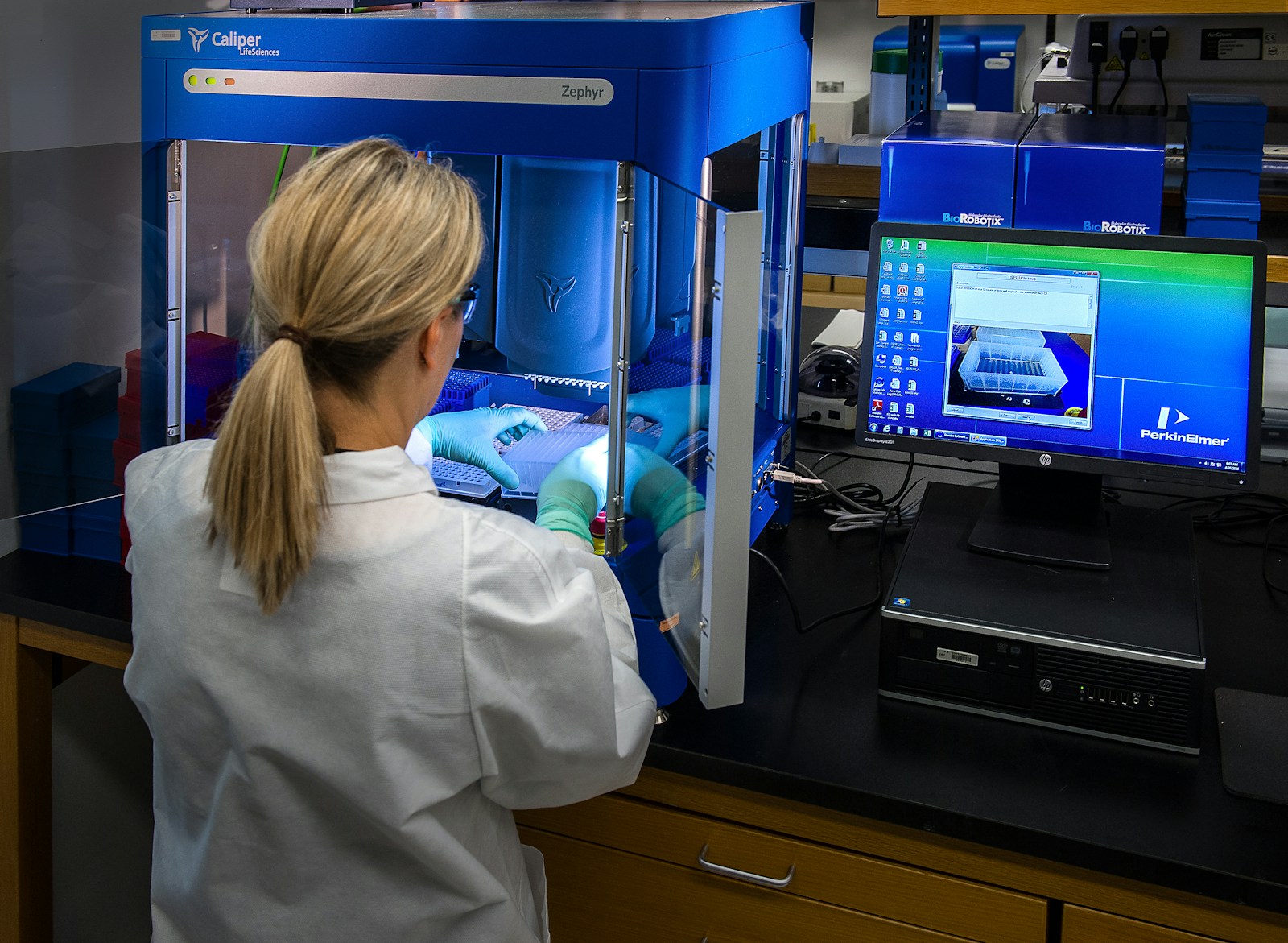
Photo: CDC / Unsplash
Blood and urine
Different biological markers contribute to the modules of the passport.
Measured over time
Repeated samples build a profile with individual reference ranges.
Reviewed by experts
Statistical findings are evaluated alongside the athlete's circumstances.
From a sample to a passport.
Laboratory results and expert interpretation work together to identify profiles that require further attention.
A profile, built over time.
The passport is managed in ADAMS. Its statistical model helps identify unusual changes in an athlete's markers, while an Athlete Passport Management Unit (APMU) coordinates interpretation and follow-up advice.
A change prompts review. Experts consider the profile and relevant information before recommending further testing or results management.
Collect the sample
The athlete provides a blood or urine sample for the relevant passport module.
Record laboratory results
The laboratory analyses selected markers and enters the results into ADAMS.
Update the passport
The new results are added to the athlete's existing biological profile.
Send review notifications
Profiles requiring attention are flagged for follow-up by the APMU and anti-doping organisation.
Review the passport
The APMU and experts evaluate the profile and relevant contextual information.
Update the APMU report
The assessment and follow-up recommendations are recorded in ADAMS.
Refine the testing strategy
The anti-doping organisation uses the findings to guide testing, further analysis or investigations.
Testing continues, and each new result contributes to the passport.
Three modules. One individual profile.
The ABP framework brings together markers associated with blood, steroid and growth-hormone doping.
Haematological
Monitors blood markers to identify blood doping that enhances oxygen transport, including erythropoietin (EPO) use and blood transfusions or manipulation.
- Samples
- Whole blood
- Introduced
- December 2009
- Examples
- Haemoglobin and reticulocyte markers
Steroidal
Tracks steroid markers over time to help identify the administration of endogenous anabolic androgenic steroids, such as testosterone, from an external source.
- Samples
- Urine; serum markers may complement the profile
- Introduced
- January 2014; serum markers added in 2023
- Examples
- Testosterone and related steroid markers
Endocrine
Monitors markers related to human growth hormone (hGH) to help uncover the use of hGH and other prohibited substances affecting the growth-hormone pathway.
- Samples
- Blood serum
- Introduced
- 2023
- Focus
- Markers associated with hGH doping
Supporting clean competition.
Monitoring over time adds another layer of evidence to an effective anti-doping programme.
Protect clean athletes
The passport helps detect and deter doping, supporting fair competition for clean athletes.
Focus testing
Profile data helps direct testing and further sample analysis where they can be most useful.
Support investigations
Biological patterns can contribute evidence alongside other information in anti-doping investigations.
Know your results
You can access test results in ADAMS. Ask your anti-doping organisation about access, and discuss medical questions with a qualified healthcare professional.
Accurate details give your profile context.
For haematological ABP blood collection, answer the additional questions on the Blood Collection Supplementary Report Form or the applicable ABP form accurately. These details help reviewers interpret your results.
Follow the collection officer's instructions for the required rest period and answer every question using the timeframe stated on the current form.
Review before you sign. Check the information, ask about anything unclear and keep your copy or digital record.
Training and competition
Report recent exercise and competition, including intensive endurance events and any competition planned within the next three days.
Recent exercise: the previous 60 minutesAltitude exposure
Report training, competition or stays above 1,500 metres, and the use of altitude simulation such as hypoxic tents or masks.
The previous four weeksBlood loss or transfusion
Report transfusions and blood loss from donation, illness or an accident. Provide details and an estimated volume if known.
The previous three monthsExtreme environments
Report exposure to extreme environmental conditions, including artificial heat environments such as a sauna.
The previous 60 minutes