
Venous Blood
Collection
Athletes may be selected for blood sample collection in-competition or out-of-competition. The process is conducted professionally to protect athlete welfare and the integrity of clean sport.
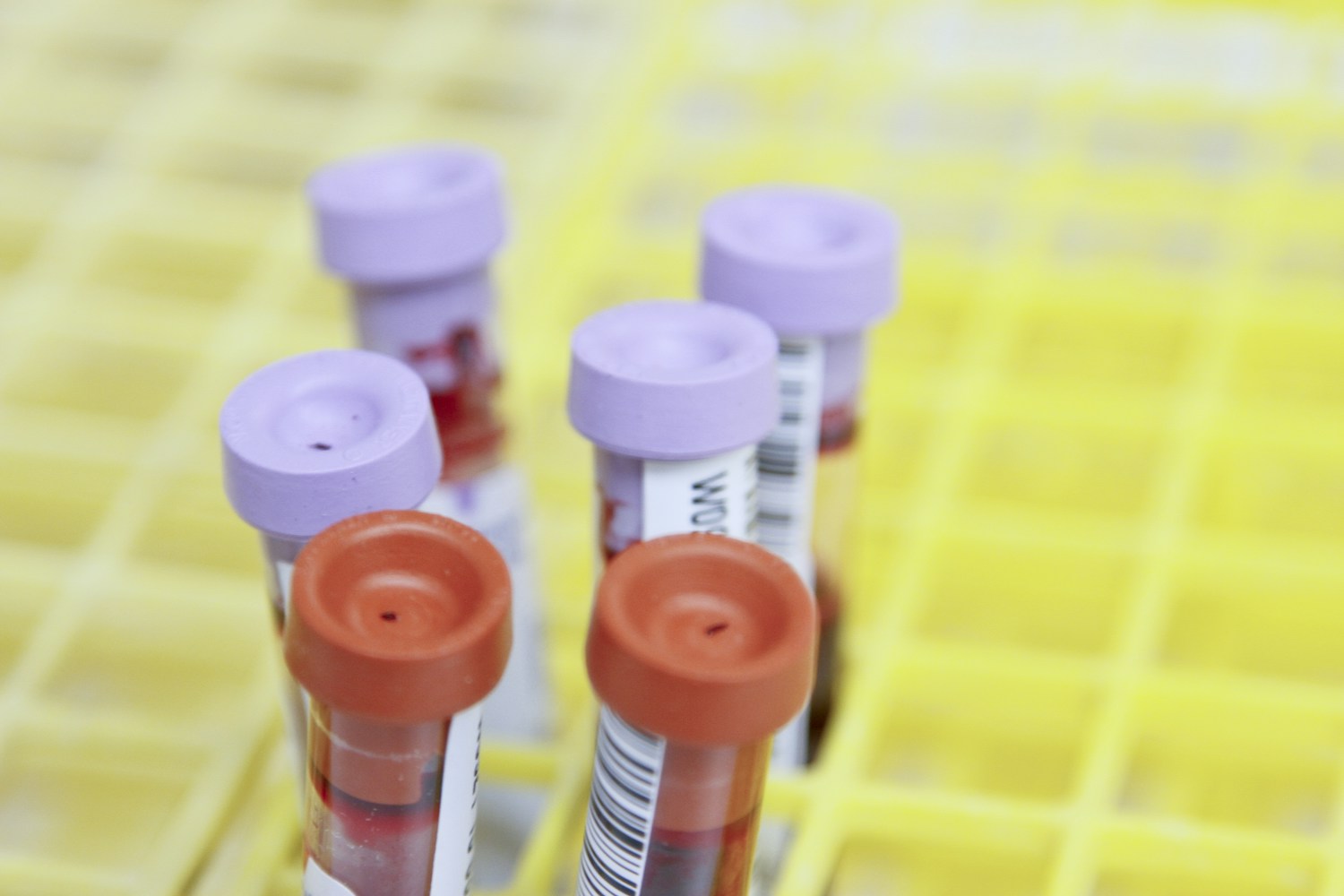
Photo: National Cancer Institute / Unsplash
Why blood samples may be collected
- To support effective anti-doping programmes and deter doping.
- To detect prohibited substances or methods where blood analysis is relevant.
- To protect sport integrity through risk-based and intelligence-led testing.
What you should expect
- Doping Control Personnel will notify you and show official identification.
- You will be informed of your rights, responsibilities and the type of sample being collected.
- Trained personnel will collect the blood using sterile equipment and appropriate procedures.
The blood collection process
Nine steps explain what happens, what you need to check and how your sample is protected.
Before collection
Selection, notification and reporting to the station.
-
Step 01
Athlete selection
- In-competition selection may be random or based on competition results.
- Out-of-competition testing may take place at training venues or other locations without advance notice.
-
Step 02
Notification
- The Doping Control Officer (DCO) or chaperone will inform you that you have been selected.
- Show photo identification or an athlete identity card to confirm your identity.
- Acknowledge the notification and sign the notification form as instructed.
-
Step 03
Report to the station
- Report immediately to the Doping Control Station (DCS), unless the DCO approves a permitted delay for a valid reason.
- Your rights and responsibilities will be explained. Remain under observation from notification until the process is complete.
At the station
Choose the kit, provide your sample and check the seals.
-
Step 04
Select a collection kit
- Choose a kit from the options provided. Check that the packaging and seals are intact and the containers are empty.
- Check that the sample code numbers on the containers, caps and labels match. Raise any concern with the DCO.
- Open and prepare the equipment as instructed for the supplied kit.
-
Step 05
Blood sample collection
- The Blood Collection Officer (BCO) normally uses your non-dominant arm, unless the other arm is more suitable.
- The BCO cleans the skin, applies a tourniquet if needed and collects the blood into the sample tubes.
- The filled tubes are gently inverted and placed in a rack. Keep the tubes in your view, or your representative's view.
- A dressing is applied. Press on the pad for 2–3 minutes, following the BCO's instructions.
-
Step 06
Seal the samples
- Check that the sample code is correctly recorded on the Doping Control Form.
- Place the tubes into the supplied sealing containers, including A and B containers where used, and close the caps as instructed. Avoid excessive force.
- Keep the sample tubes upright. The officer will check that the containers are properly sealed.
After collection
Complete the paperwork and secure the sample for transport.
-
Step 07
Dispose of the equipment
- Spare sample code labels are destroyed.
- The BCO safely disposes of used and unused collection equipment and spare labels in the appropriate clinical waste containers.
-
Step 08
Check and sign the form
- Declare any blood transfusions in the past three months so they can be recorded.
- If a urine sample is also required, remain in the waiting area under supervision until it is provided.
- When sample collection is complete, carefully check and sign the Doping Control Form. Keep your own copy or digital record.
-
Step 09
Secure transport
- The sealed samples are placed in a secure transit bag and transported to a WADA-accredited laboratory through a documented chain of custody.
- Only authorised personnel handle the samples. The laboratory's copy of the form does not contain information identifying you.

Stay informed. Check the details.
You can ask questions throughout collection and should understand each step before signing the form.
Your rights
- Be properly notified and informed about the procedure.
- Request a representative and an interpreter where available.
- Ask questions and request additional information about the process.
- Receive a copy or digital record of the Doping Control Form.
Your responsibilities
- Remain under observation from notification until completion.
- Comply with sample collection procedures and instructions.
- Provide valid identification when requested.
- Verify the details on the Doping Control Form before signing.
After your sample is collected
- Your sample is securely transported for analysis in accordance with anti-doping standards.
- Where applicable, samples may be stored for long-term re-analysis under the World Anti-Doping Code.
- Keep your copy or digital record of the form if you have any concerns.
Quick FAQs
Common questions about venous blood collection.
Can I be tested anywhere?
Yes. Testing may occur in-competition or out-of-competition, including at training venues or other locations, in line with anti-doping requirements.
Do I have to sign anything?
You will be asked to complete and sign the Doping Control Form, on paper or using a secure digital system, to confirm the details of the process. Check the information carefully before signing and keep your copy or digital record.
Who collects the blood sample?
A trained Blood Collection Officer (BCO) collects the venous blood sample using sterile equipment and appropriate procedures.
Please note: This guide supports athlete education. Collection is carried out by authorised personnel in accordance with the applicable World Anti-Doping Code and International Standards. Ask the DCO or BCO if you need clarification.